Dog attacks can be a real and serious problem in communities across the country, but addressing dangerous and potentially dangerous dogs can be a confusing and touchy issue. Breed-specific legislation (BSL) is the blanket term for laws that either regulate or ban certain dog breeds in an effort to decrease dog attacks on humans and other animals. However, the problem of dangerous dogs will not be remedied by the “quick fix” of breed-specific laws—or, as they should truly be called, breed-discriminatory laws.
Who Is Impacted by Breed-Specific Laws?
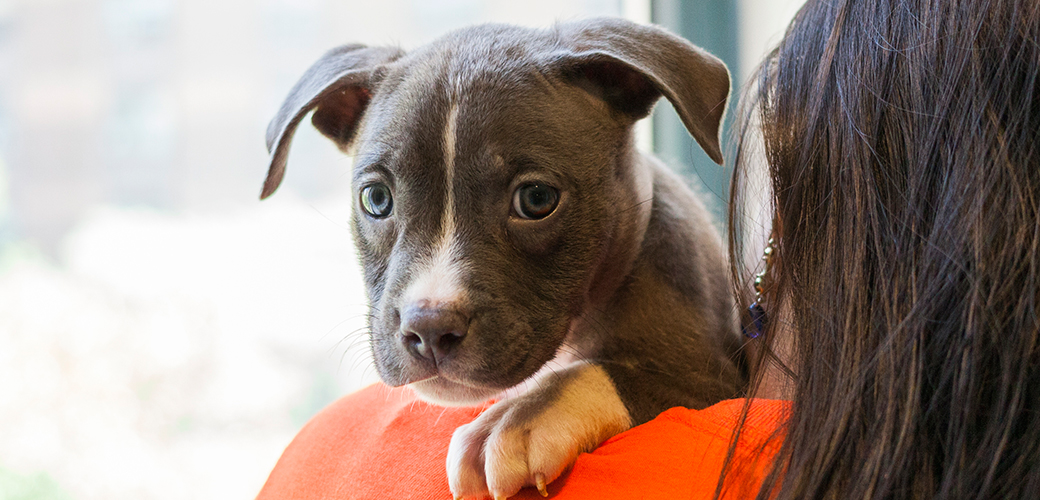
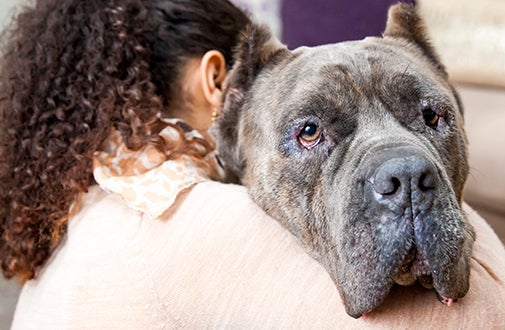
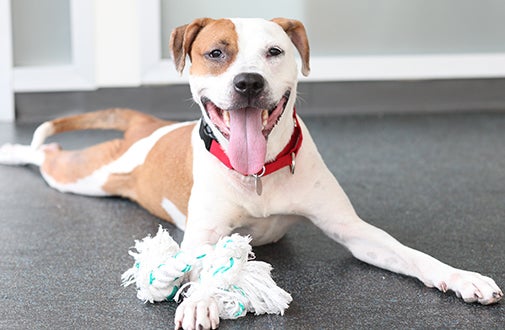
Regulated breeds typically comprise the “pit bull” class of dogs, including American Pit Bull Terriers, American Staffordshire Terriers, Staffordshire Bull Terriers and English Bull Terriers. In some areas, regulated breeds also include a variety of other dogs like American Bulldogs, Rottweilers, Mastiffs, Dalmatians, Chow Chows, German Shepherds, Doberman Pinschers or any mix of these breeds—and dogs who simply resemble these breeds.
Many states, including New York, Texas and Illinois, favor laws that identify, track and regulate dangerous dogs individually—regardless of breed—and prohibit BSL. However, more than 700 U.S. cities have enacted breed-specific laws.
Are Breed-Specific Laws Effective?
There is no evidence that breed-specific laws make communities safer for people or companion animals. Following a thorough study of human fatalities resulting from dog bites, the Centers for Disease Control and Prevention (CDC) decided to strongly oppose BSL. The CDC cited, among other problems, the inaccuracy of dog bite data and the difficulty in identifying dog breeds (especially true of mixed-breed dogs). Breed-specific laws are also costly and difficult to enforce.
Laws?
What Are the Consequences of Breed-Specific Laws?
BSL carries a host of negative and wholly unintended consequences:
- Dogs Suffer. Rather than give up beloved pets, owners of highly regulated or banned breeds often attempt to avoid detection by restricting their dogs’ outdoor exercise and socialization—forgoing licensing, microchipping and proper veterinary care, and avoiding spay/neuter surgery and essential vaccinations. Such actions can have a negative impact on both the mental and physical health of these dogs.
In addition, breed-specific laws can create a climate where it is nearly impossible for residents to adopt and live with such a breed—virtually ensuring destruction of otherwise adoptable dogs by shelters and humane societies. - Owners Suffer. Responsible owners of entirely friendly, properly supervised and well-socialized dogs who happen to fall within the regulated breed are required to comply with local breed bans and regulations. This can lead to housing issues, legal fees or even relinquishment of the animal.
- Public Safety Suffers. Breed-specific laws have a tendency to compromise rather than enhance public safety. When animal control resources are used to regulate or ban a certain breed, the focus is shifted away from effective enforcement of laws that have the best chances of making communities safer: dog license laws, leash laws, anti-animal fighting laws, anti-tethering laws, laws facilitating spaying and neutering and laws that require all owners to control their dogs, regardless of breed. Additionally, guardians of banned breeds may be deterred from seeking routine veterinary care, which can lead to outbreaks of rabies and other diseases that endanger communities.
Breed-specific laws may also have the unintended consequence of encouraging irresponsible dog ownership. As certain breeds are regulated, individuals who exploit aggression in dogs are likely to turn to other, unregulated breeds. Conversely “outlaws” may be attracted to the “outlaw” status of certain breeds. The rise of pit bull ownership among gang members in the late 1980s coincided with the first round of breed-specific legislation.
What Are the Alternatives to Breed-Specific Laws?
There is no convincing data to indicate that breed-specific legislation has succeeded anywhere to date.
The CDC has noted that many other factors beyond breed may affect a dog’s tendency toward aggression—things such as heredity, sex, early experience, reproductive status, socialization and training. Conversely, studies can be referenced that point to clear, positive effects of carefully crafted breed-neutral laws. A breed-neutral approach may include the following:
- Enhanced enforcement of dog license laws
- Increased availability to low-cost sterilization (spay/neuter) services
- Dangerous dog laws that are breed-neutral and focus on the behavior of the individual guardian and dog
- Graduated penalties and options for dogs deemed dangerous
- Laws that hold dog guardians financially accountable for failure to adhere to animal control laws
- Laws that hold dog guardians civilly and criminally liable for unjustified injuries or damage caused by their dogs
- Laws that prohibit chaining, tethering and unreasonable confinement, coupled with enhanced enforcement of animal cruelty and animal fighting laws
- Community-based approaches to resolving reckless guardian/dangerous dog questions that encompass all stakeholders, available dog bite data and recommended realistic and enforceable policies


